ALL IN HOUSE CIVIL LABORATORY WITH EXPERTS IN FIELD & MATERIAL TESTING

OUR TEAM INCLUDES CIVIL ENGINEERS AND GEOTECHNICAL ENGINEER

OUR TESTING SERVICES

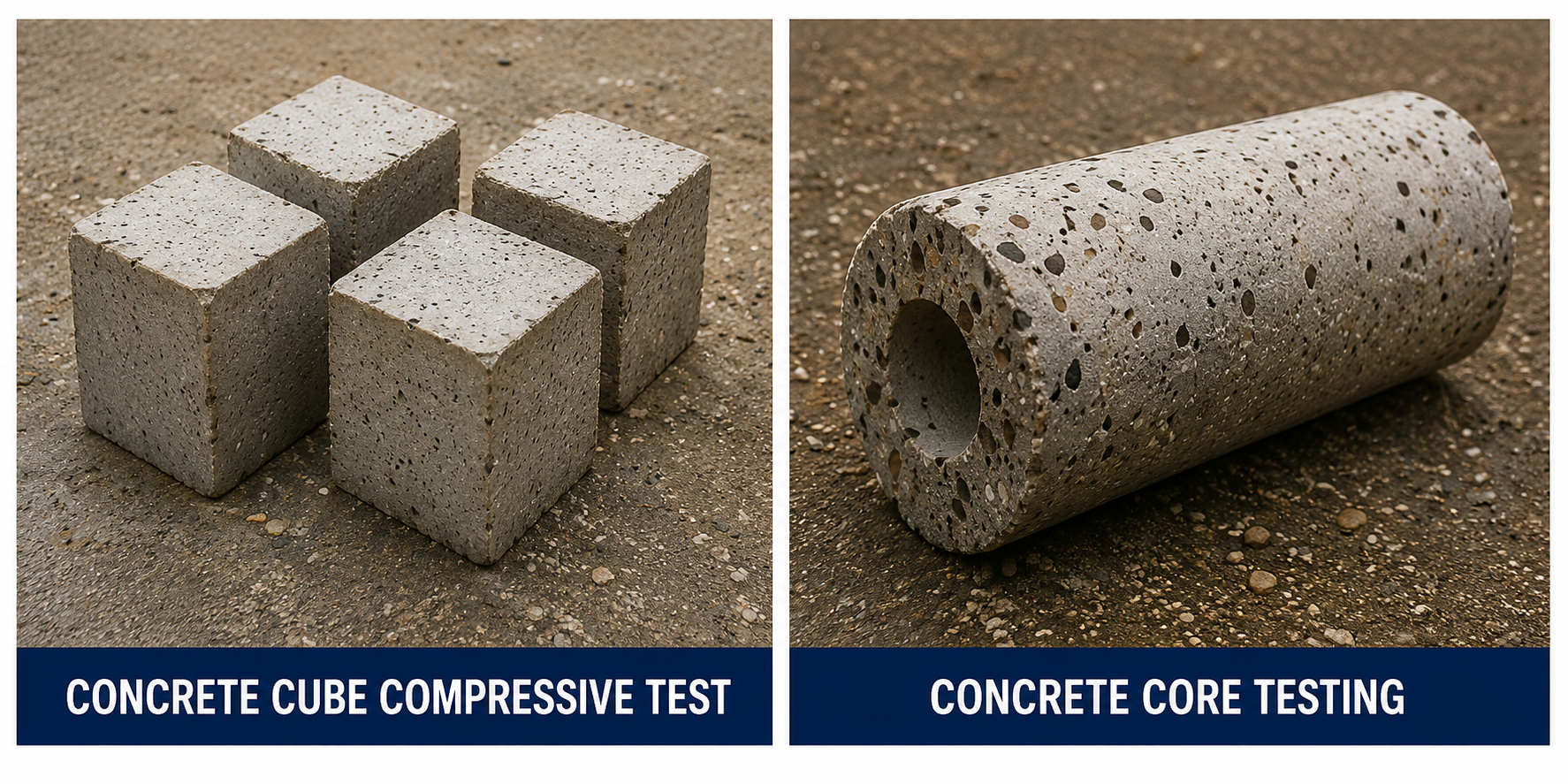
Concrete Testing

CONCRETE TESTING

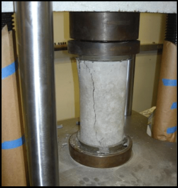
  • Concrete Cube Compressive Strength Testing
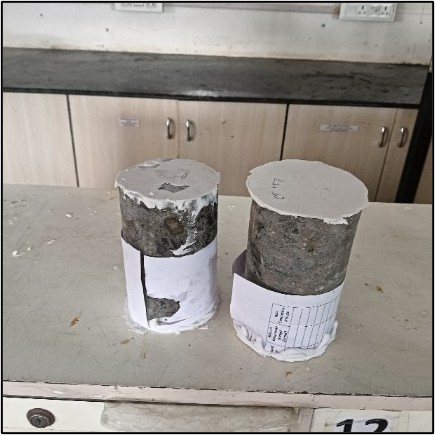
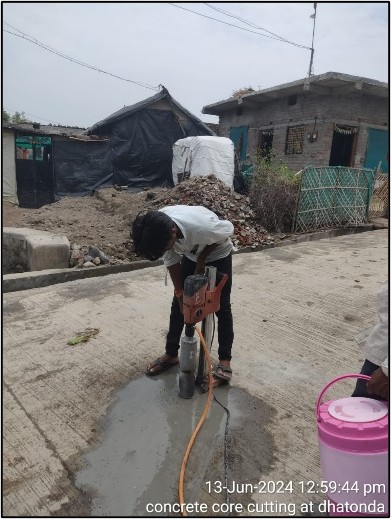
  • Concrete Core Cutting & Core Testing
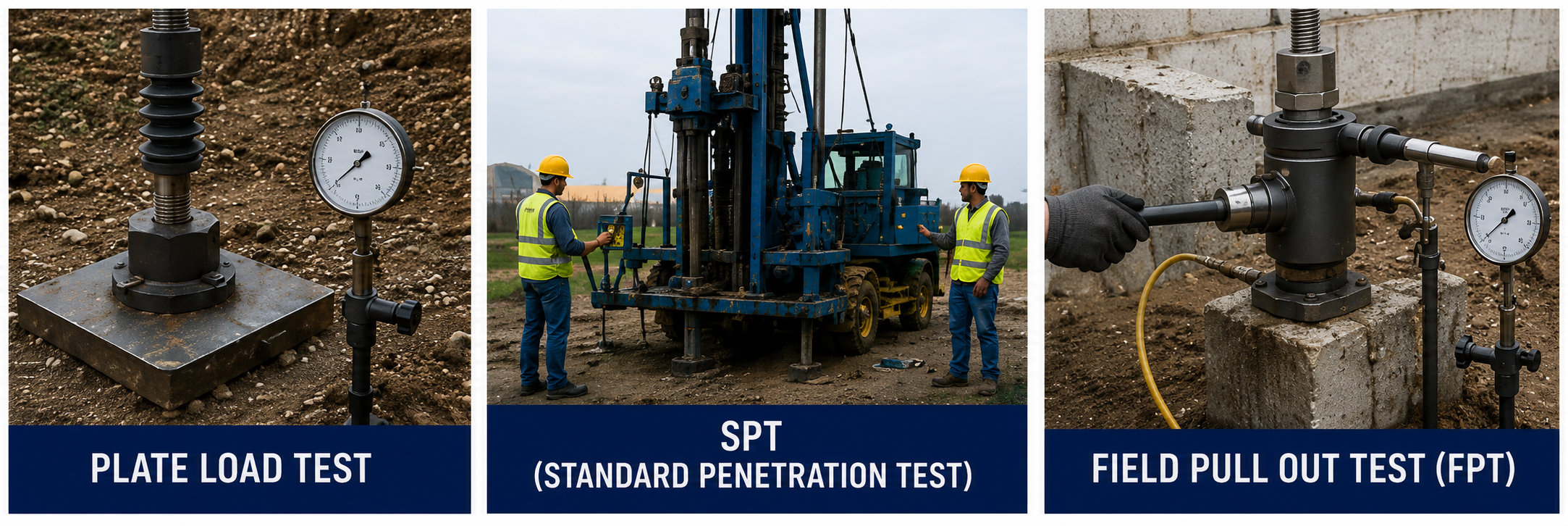
Geotechnical Testing

GEOTECHNICAL TESTING

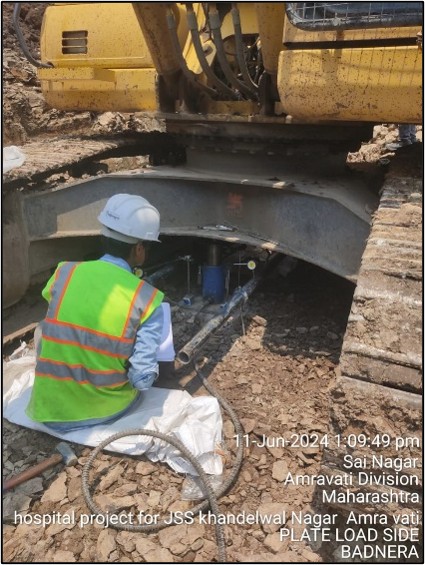
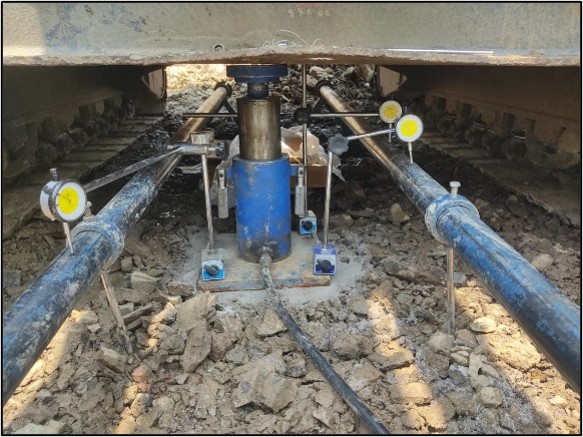
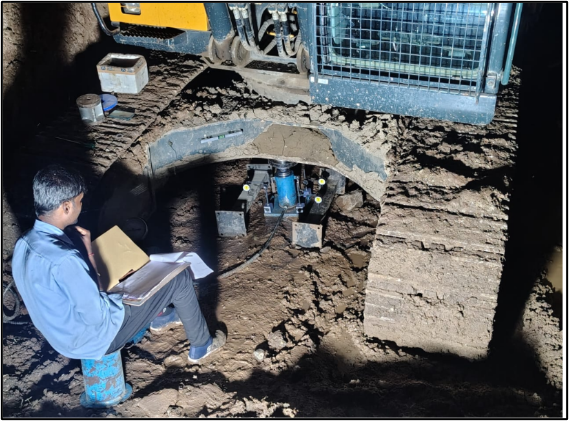
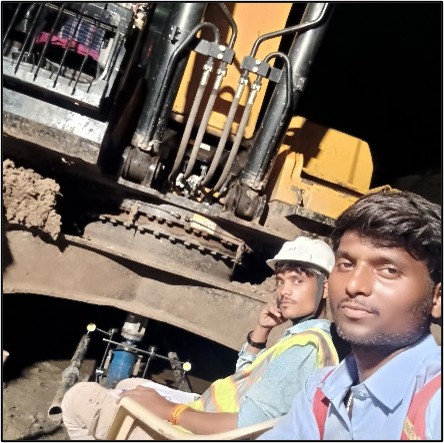
  • Plate Load Test (PLT)
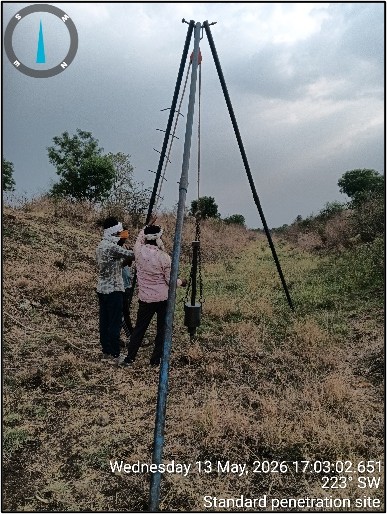
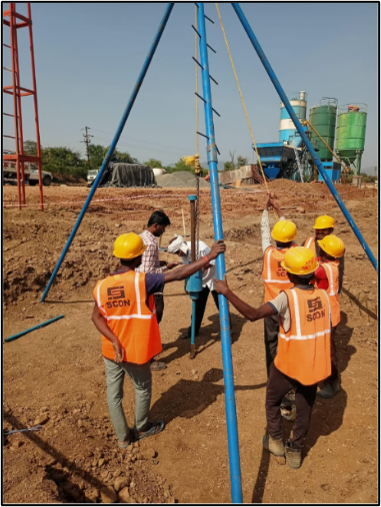
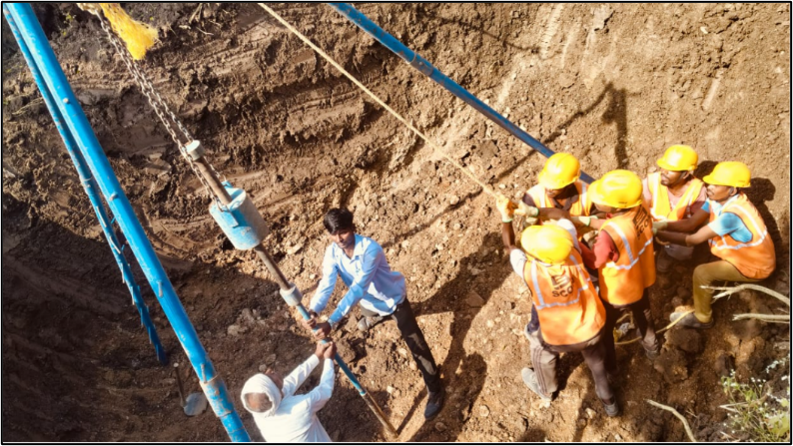
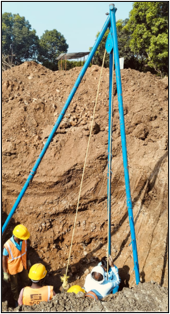
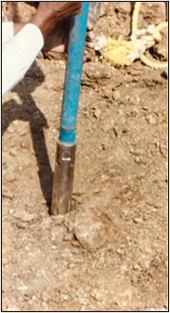
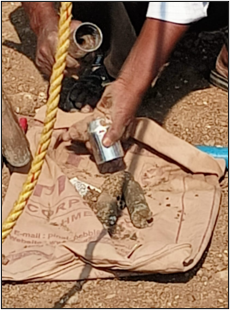
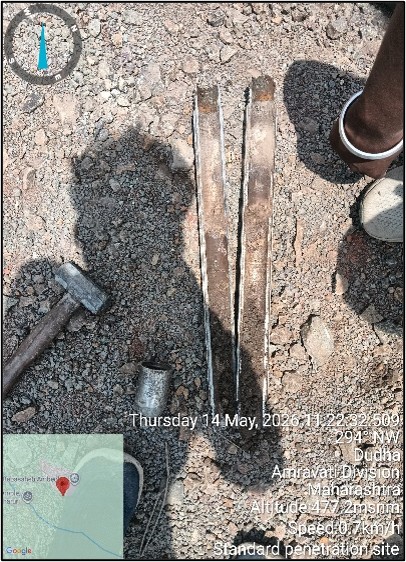
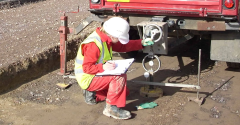
  • Standard Penetration Test (SPT)
  • Pull Out Test
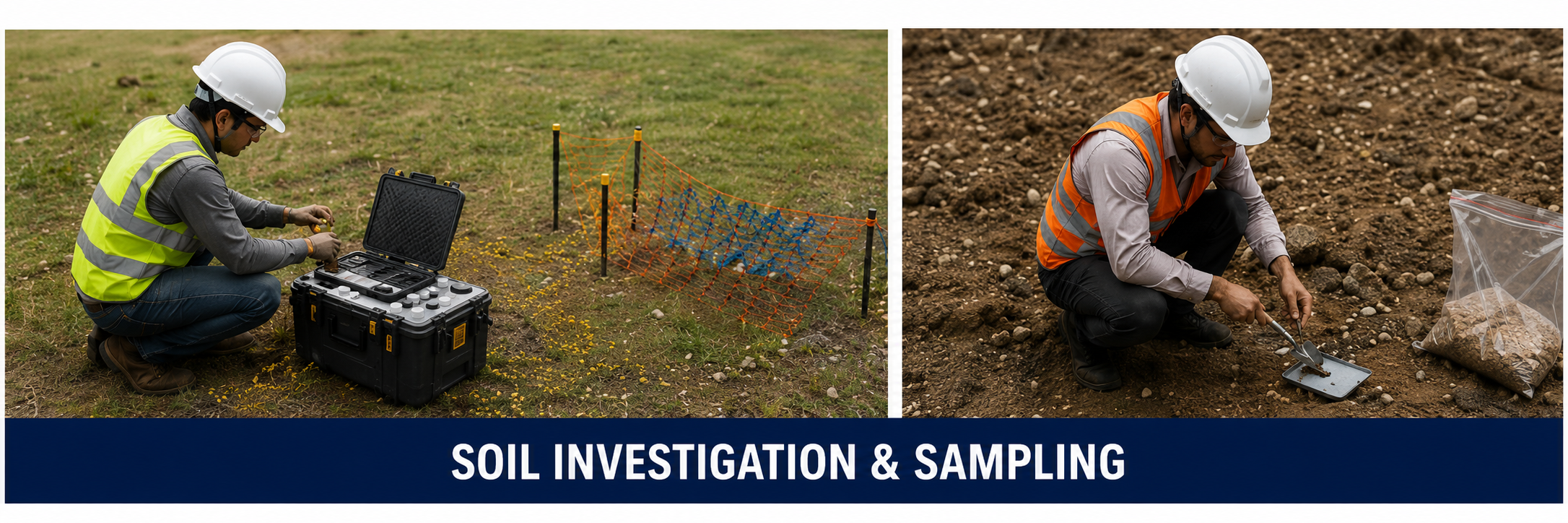
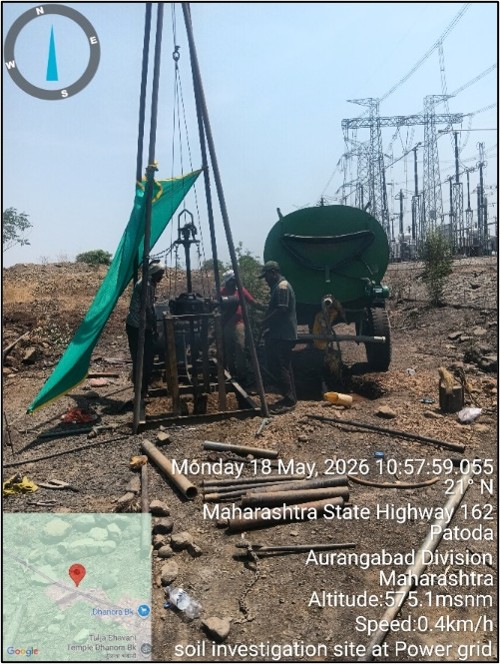
Soil Investigation

SOIL INVESTIGATION

Soil Investigation & Sampling
Geophysical Investigation

GEOPHYSICAL INVESTIGATION

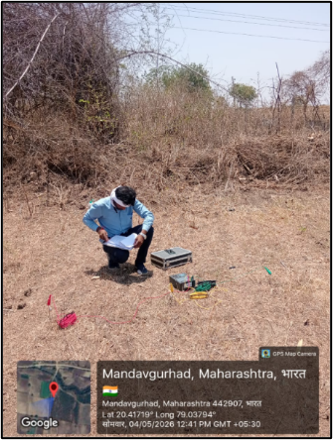
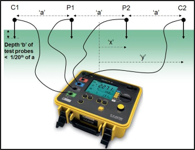
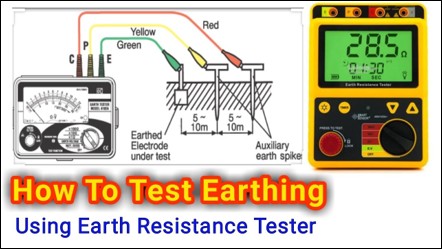
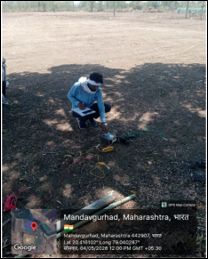
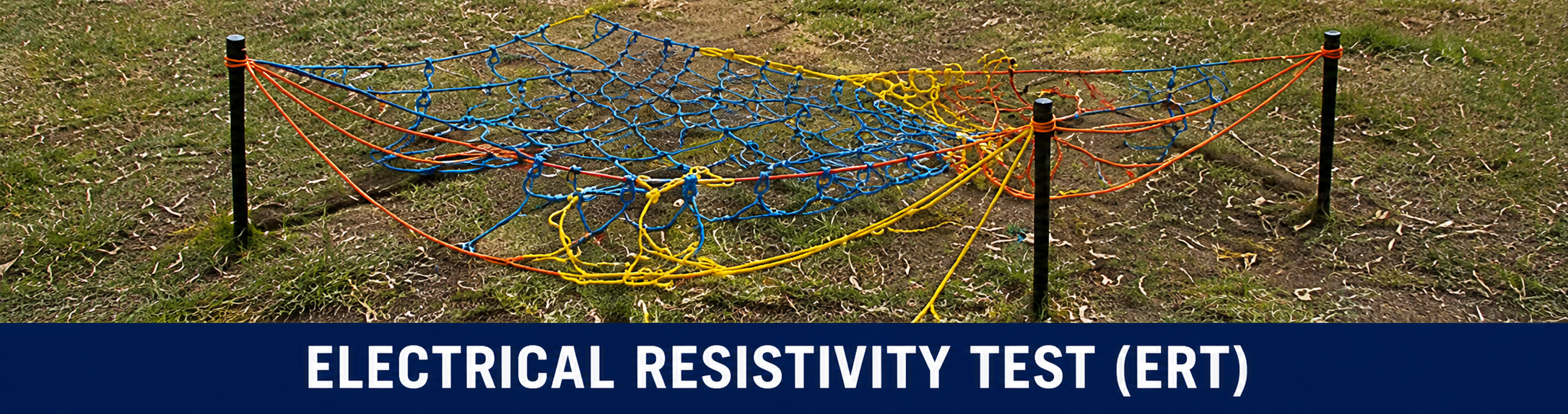
Electrical Resistivity Test (ERT)

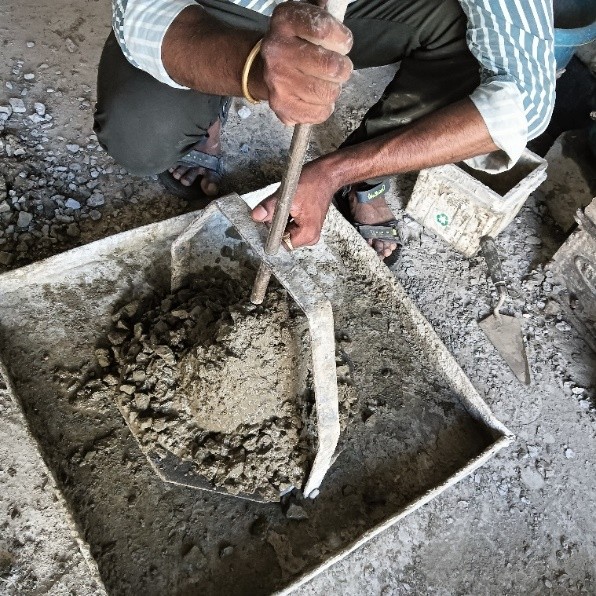
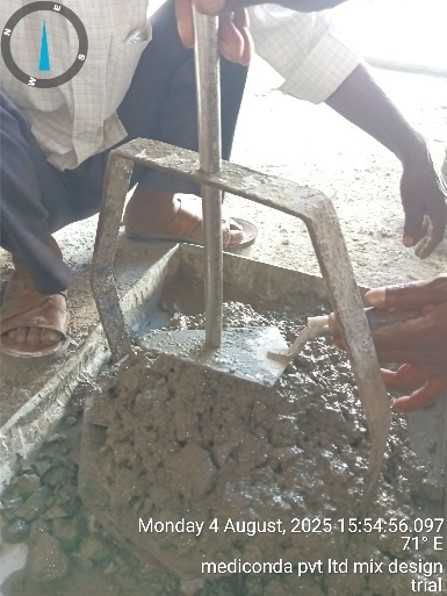
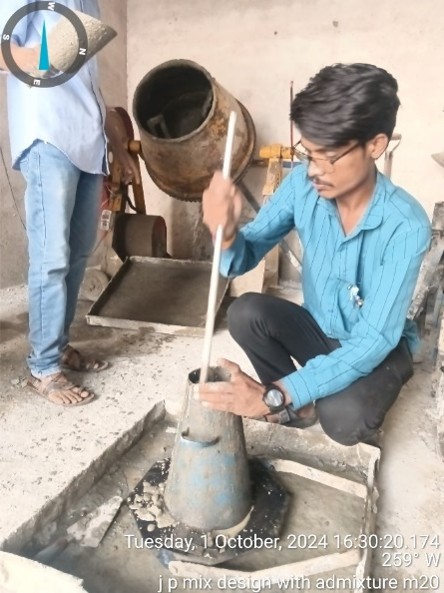
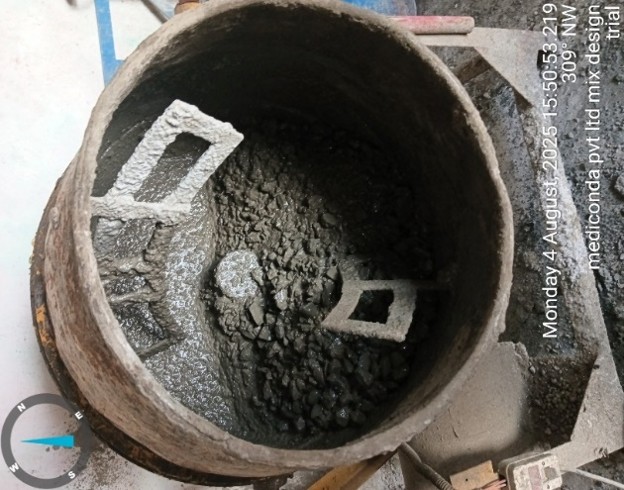
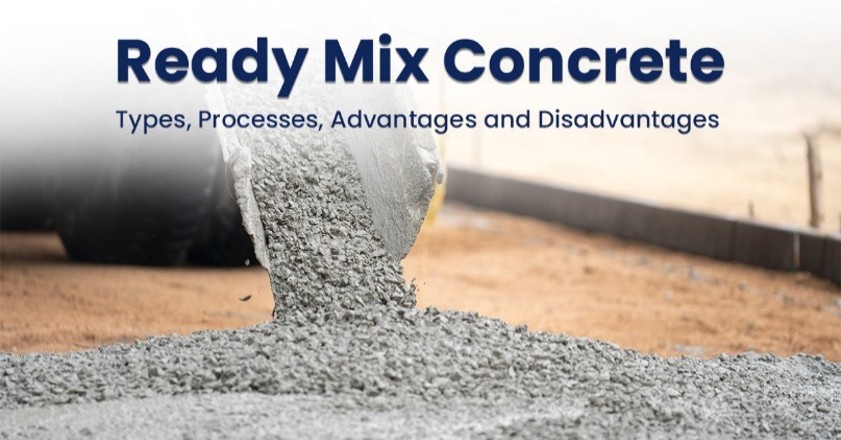
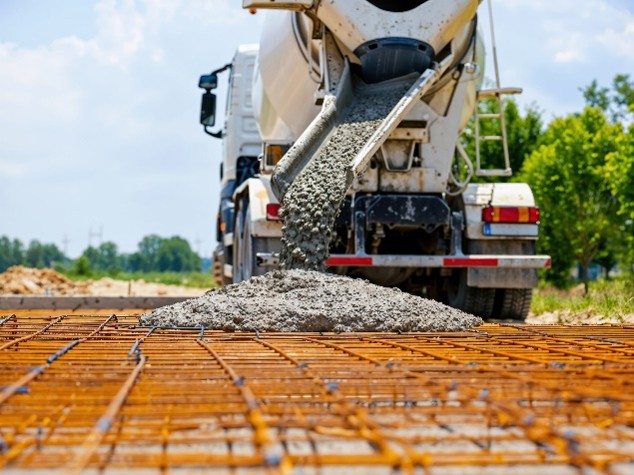
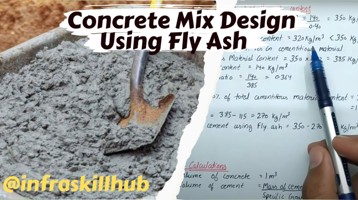
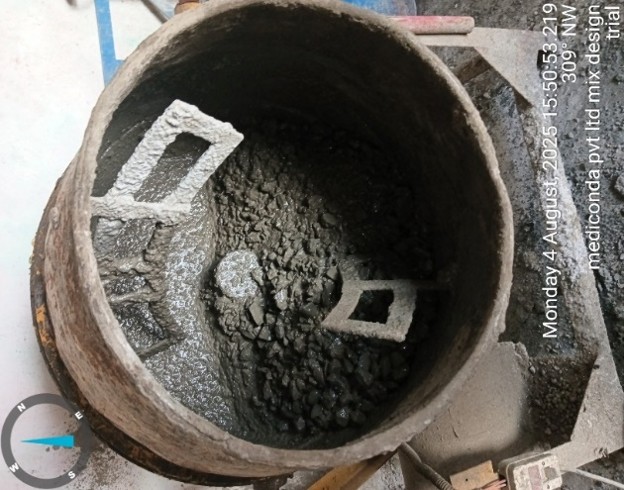
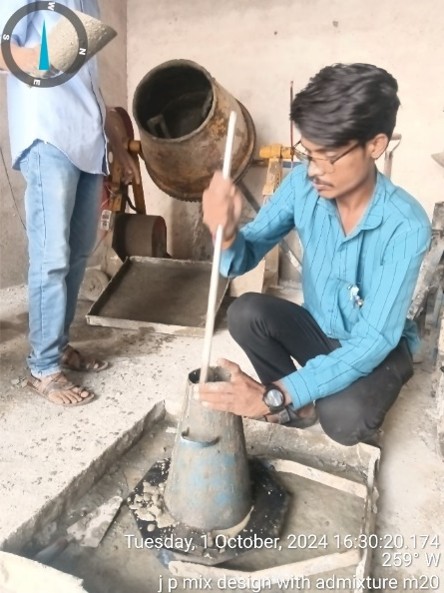
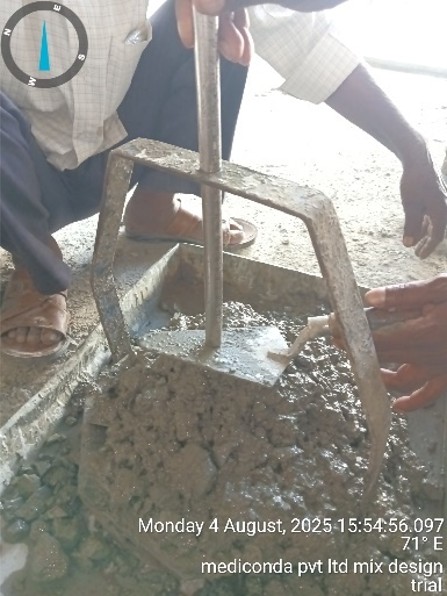
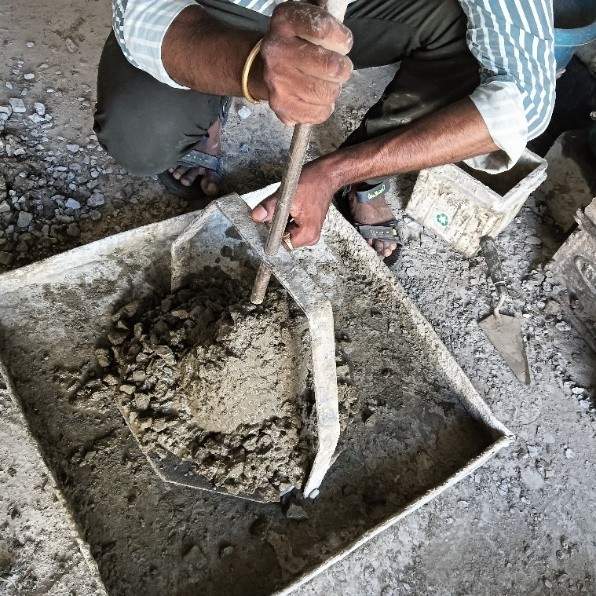
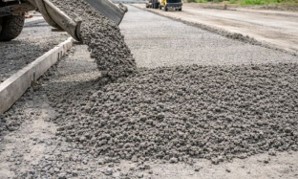
Concrete Mix Design

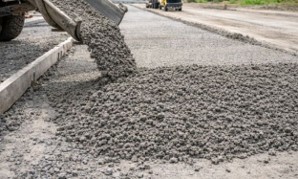
Introduction: The process of determining the correct proportions of cement, water, sand, and aggregates to achieve the required strength and durability of concrete.

Types:

  • Nominal Mix: Fixed proportions (used for small works).
  • Design Mix: Proportions determined by calculations and laboratory tests.

Mr. Sameer Kaware

M.Tech. (Geotechnical Engineering) | Civil Engineering Professional

Designation: Geotechnical Engineering Expert & Laboratory Technical Head

Contact No.: 8208453304

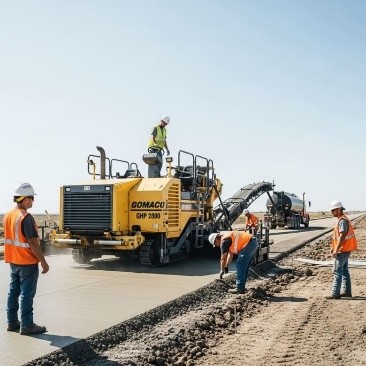
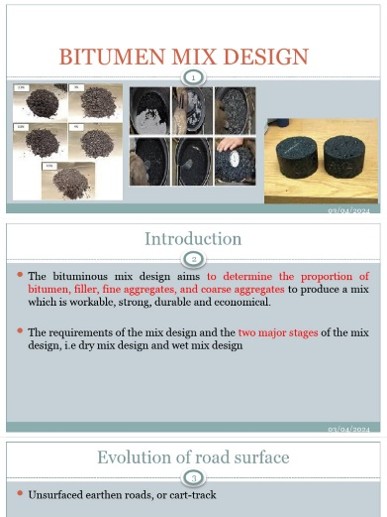
BITUMENOUS MIX DESIGN

Mix Design Services

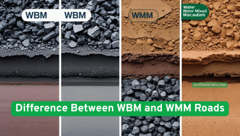
WBM

Selection of graded aggregates and screening materials bound with water for road base/sub-base layers.

WMM

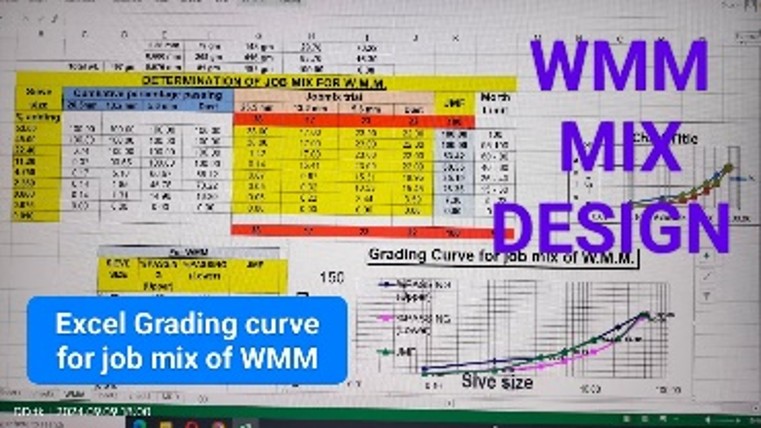
Proportioning of graded aggregates and water to produce a dense and durable base course.

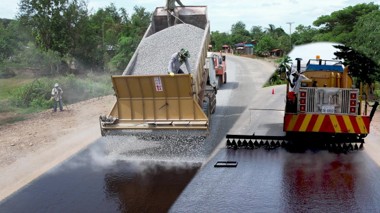
Bituminous Mix

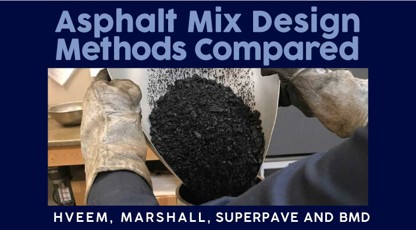
Determination of aggregate gradation and bitumen content to achieve strength, stability, and durability of flexible pavements.

RDSO Soil Blanket

Selection and proportioning of soil materials as per RDSO specifications for railway blanket layers to ensure drainage and track stability.

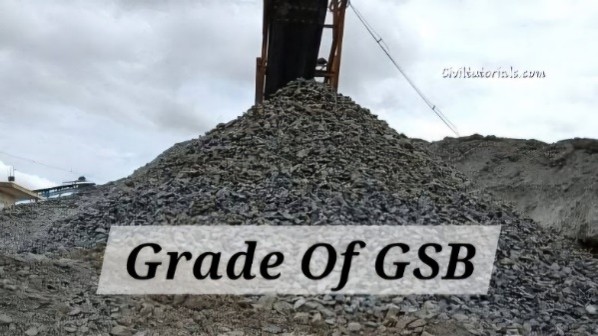
GSB

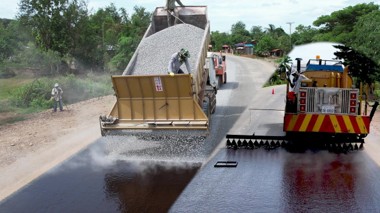
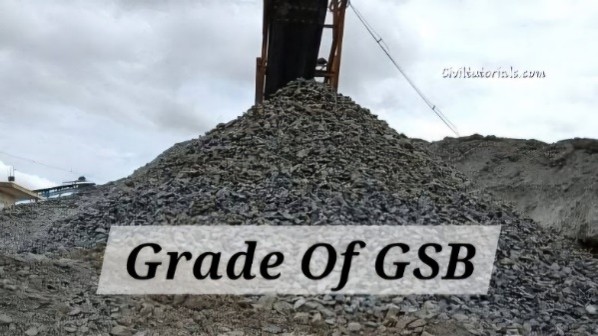
Selection of well-graded aggregates for the sub-base layer to provide support and drainage.

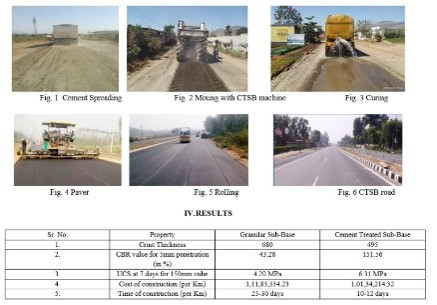
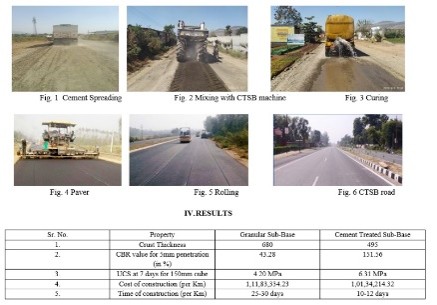
CTSB

Proportioning of aggregates, cement, and water to obtain the required strength for a stabilized sub-base layer.

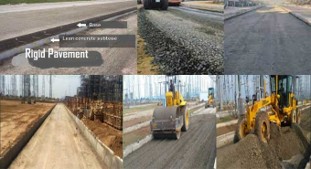
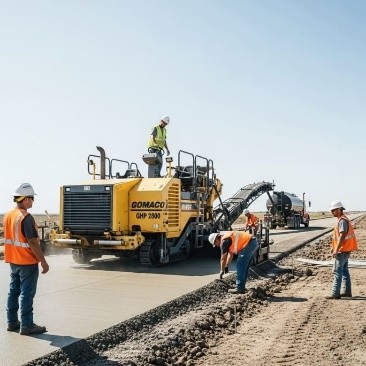
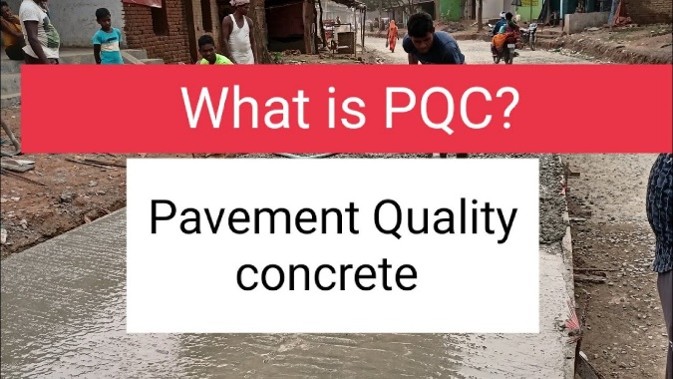
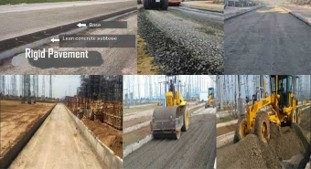
PQC

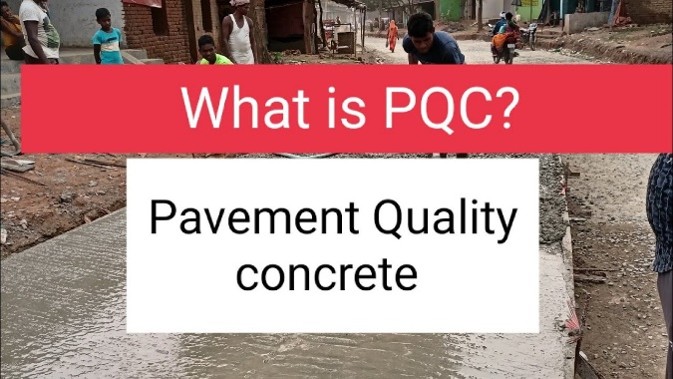
Design of high-strength concrete used for rigid pavement surfaces with required flexural strength and durability.

DLC

Design of low-cement-content concrete used as a base layer below PQC to provide a uniform and stable foundation.

SOIL INVESTIGATION & FIELD TESTING

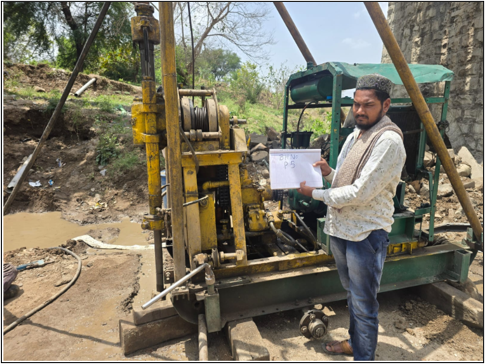
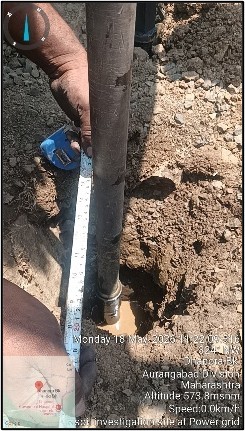
SPT TEST

SPT TEST

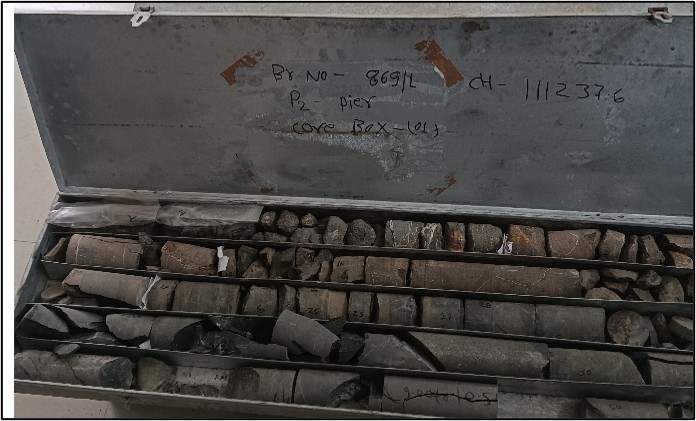
  • Borehole Drilling
  • Soil Sampling
  • Stratification
  • Geotechnical Investigation
CPT / CVR TEST

CPT / CVR TEST

  • Continuous Soil Profile
  • Tip Resistance
  • Friction Ratio
  • Accurate Soil Characterization
STATIC PLATE LOAD TEST

STATIC PLATE LOAD TEST

  • Load Carrying Capacity
  • Settlement Analysis
  • Foundation Design
  • IS Code Compliant
SOIL INTEGRITY TEST

SOIL INTEGRITY TEST

  • Soil Strength & Density Assessment
  • Construction Quality Control
ELECTRICAL RESISTIVITY TEST (ERT)

ELECTRICAL RESISTIVITY TEST (ERT)

  • Sub-Surface Profiling
  • Groundwater Detection
  • Foundation & Structure Investigation

NDT (NON DESTRUCTIVE TESTING)
REBOUND HAMMER TEST

REBOUND HAMMER TEST

  • Concrete Strength Estimation
  • Quick & Reliable
  • IS 13311 (Part 2)
ULTRASONIC PULSE VELOCITY (UPV) TEST

ULTRASONIC PULSE VELOCITY (UPV) TEST

  • Concrete Quality Assessment
  • Homogeneity Check
  • Crack & Void Detection

CONCRETE & BITUMINOUS TESTING

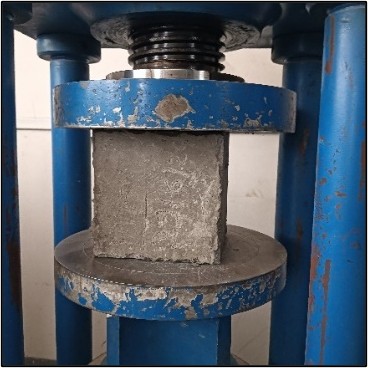
CONCRETE CUBE TEST

CONCRETE CUBE TEST

  • Compressive Strength
  • 7, 14, 28 Days
  • IS 516 Compliant

AGGREGATE TESTING

AGGREGATE TESTING

  • Sieve Analysis
  • Specific Gravity
  • Crushing Value, etc.

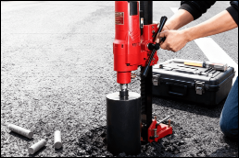
CONCRETE CORE EXTRACTION TEST

CONCRETE CORE EXTRACTION TEST

  • In-Situ Strength
  • Core Sampling
  • Quality Assessment

STEEL & REBAR TESTING

STEEL & REBAR TESTING

  • Tensile Strength
  • Bend Test
  • Chemical Analysis

CORE CUTTING & PREPARATION

CORE CUTTING & PREPARATION

  • Precise Cutting
  • Sample Preparation
  • Lab Testing Support

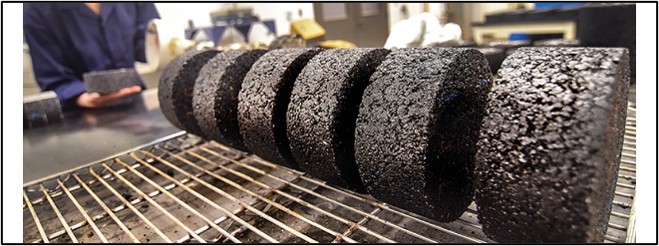
BITUMINOUS CORE EXTRACTION

BITUMINOUS CORE EXTRACTION

  • Pavement Quality
  • Layer Thickness
  • Mix Analysis Support

BITUMINOUS MIX TESTING

BITUMINOUS MIX TESTING

  • Marshall Stability
  • Flow, Air Vaids
  • Mix Design Support

SOIL INVESTIGATION & FIELD TESTING

SPT TEST

SPT TEST

  • Borehole Drilling
  • Soil Sampling
  • Stratification
  • Geotechnical Investigation

CPT / CVR TEST

CPT / CVR TEST

  • Continuous Soil Profile
  • Tip Resistance
  • Friction Ratio
  • Accurate Soil Characterization

STATIC PLATE LOAD TEST

STATIC PLATE LOAD TEST

  • Load Carrying Capacity
  • Settlement Analysis
  • Foundation Design
  • IS Code Compliant

SOIL INTEGRITY TEST

SOIL INTEGRITY TEST

  • Soil Strength & Density Assessment
  • Construction Quality Control

ELECTRICAL RESISTIVITY TEST (ERT)

ELECTRICAL RESISTIVITY TEST (ERT)

  • Sub-Surface Profiling
  • Groundwater Detection
  • Foundation & Structure Investigation

NDT (NON DESTRUCTIVE TESTING)

REBOUND HAMMER

REBOUND HAMMER TEST

  • Concrete Strength Estimation
  • Quick & Reliable
  • IS 13311 (Part 2)

UPV TEST

ULTRASONIC PULSE VELOCITY (UPV) TEST

  • Concrete Quality Assessment
  • Homogeneity Check
  • Crack & Void Detection

HALF CELL

HALF CELL POTENTIAL TEST

  • Corrosion Detection
  • Reinforcement Condition
  • Durability Evaluation

CARBONATION

CARBONATION DEPTH TEST

  • Carbonation Depth Measurement
  • Corrosion Risk Evaluation

COVER METER

COVER METER TEST

  • Rebar Locator
  • Cover Thickness Measurement
  • Non Destructive

INFRARED

INFRARED THERMOGRAPHY

  • Heat Loss Detection
  • Moisture Mapping
  • Defect identification

STRUCTURAL AUDIT

STRUCTURAL AUDIT

  • Structural Assessment
  • Safety Evaluation
  • Detailed Audit Report
  • Rehabilitation Advice
Standard Penetration Test (SPT)

Introduction

An in-situ soil investigation test used to determine soil strength and bearing capacity by measuring the number of hammer blows required to drive a standard sampler into the ground. The test provides valuable data for foundation design and geotechnical evaluation.

Mr. Sameer Kaware

M.Tech. (Geotechnical Engineering) | Civil Engineering Professional

Geotechnical Engineering Expert & Laboratory Technical Head

Soil Investigation Work

Introduction

A geotechnical exploration process carried out to determine the physical and engineering properties of soil and subsurface conditions at a site. It involves field tests, sampling, and laboratory analysis to evaluate soil strength, bearing capacity, groundwater conditions, and suitability for foundation design and construction.
Mr. Sameer Kaware

M.Tech. (Geotechnical Engineering) | Civil Engineering Professional

Geotechnical Engineering Expert & Laboratory Technical Head

Soil Investigation Work

Introduction

A geotechnical exploration process carried out to determine the physical and engineering properties of soil and subsurface conditions at a site. It involves field tests, sampling, and laboratory analysis to evaluate soil strength, bearing capacity, groundwater conditions, and suitability for foundation design and construction.
Mr. Sameer Kaware

M.Tech. (Geotechnical Engineering) | Civil Engineering Professional

Geotechnical Engineering Expert & Laboratory Technical Head

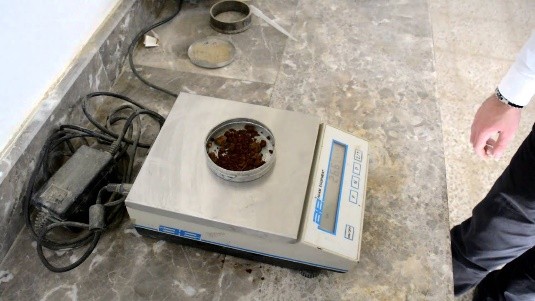
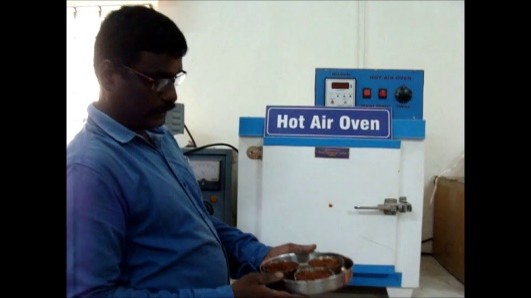
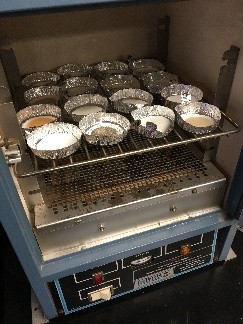
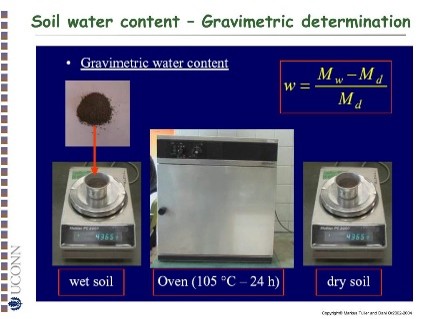
Water Content

Method: Oven Drying

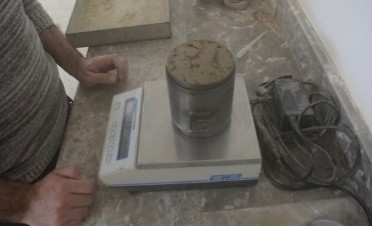
A laboratory test used to determine the natural moisture content of soil by measuring the weight loss after oven drying. The test helps assess soil behavior, compaction characteristics, and engineering properties.

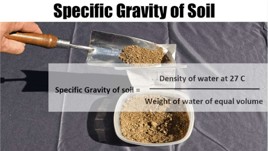
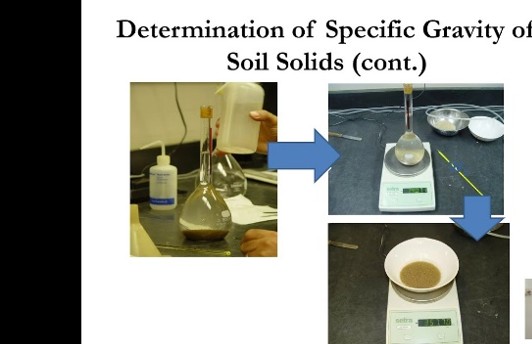
Specific Gravity

Method: Pycnometer / Density Bottle

A laboratory test conducted to determine the ratio of the density of soil solids to the density of water. It is an essential parameter for soil classification and various geotechnical calculations.

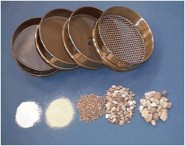
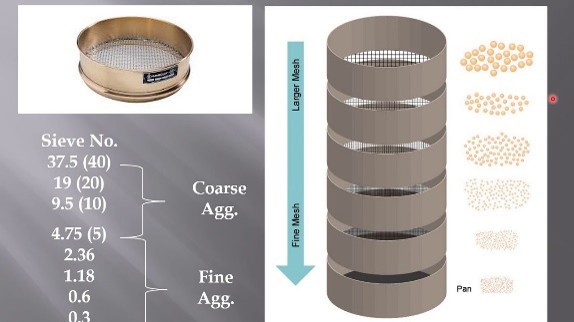
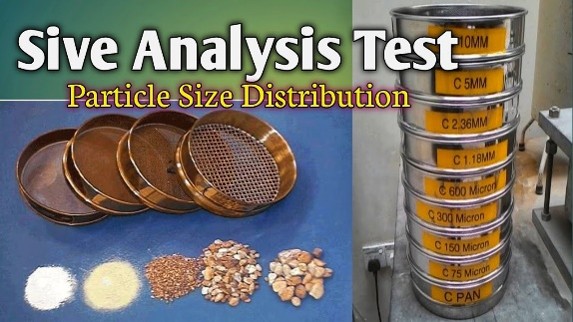
Grain Size Analysis

Method: Sieve / Hydrometer

A laboratory test performed to determine the distribution of soil particles of different sizes. The results are used for soil classification and evaluation of drainage, permeability, and engineering behavior.

Water Content

Method: Oven Drying

A laboratory test used to determine the natural moisture content of soil by measuring the weight loss after oven drying. The test helps assess soil behavior, compaction characteristics, and engineering properties.

Specific Gravity

Method: Pycnometer / Density Bottle

A laboratory test conducted to determine the ratio of the density of soil solids to the density of water. It is an essential parameter for soil classification and various geotechnical calculations.

Grain Size Analysis

Method: Sieve / Hydrometer

A laboratory test performed to determine the distribution of soil particles of different sizes. The results are used for soil classification and evaluation of drainage, permeability, and engineering behavior.

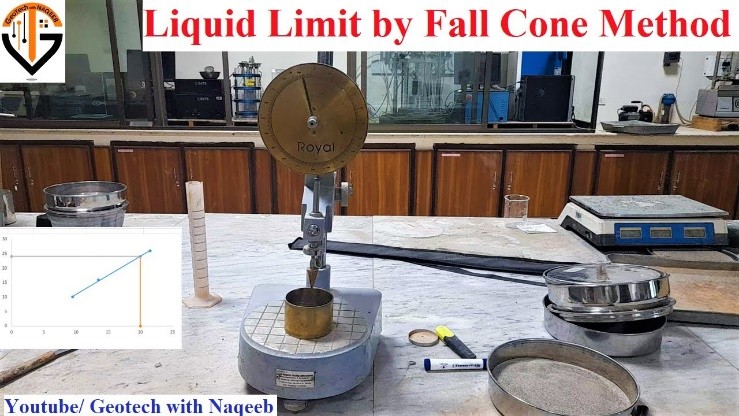
Liquid Limit

Method: Cone Penetrometer

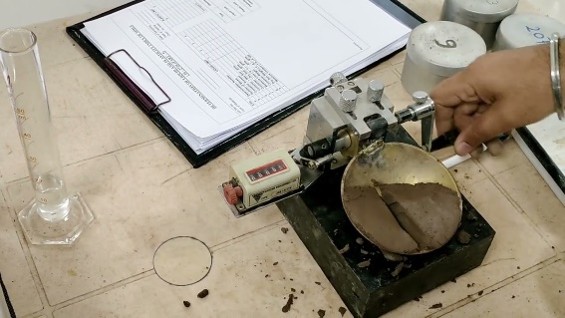
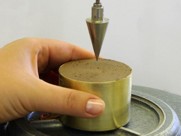
A laboratory test used to determine the water content at which soil changes from a plastic state to a liquid state. It helps assess the consistency and classification of fine-grained soils.

Plastic Limit

Method: Thread Rolling

A laboratory test conducted to determine the minimum water content at which soil remains plastic and can be rolled into threads without crumbling. It is an important parameter for soil classification and engineering behavior assessment.

Shrinkage Limit

Method: Volumetric Measurement

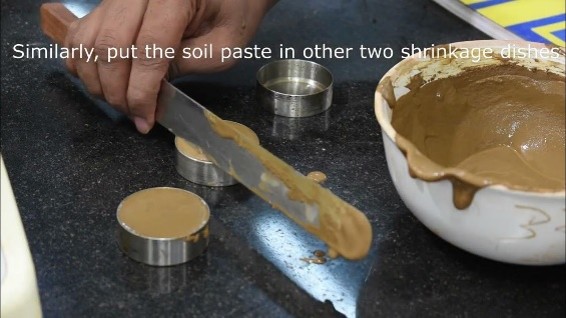
A laboratory test performed to determine the maximum water content at which further drying of soil does not result in volume reduction. It is used to evaluate the shrink-swell characteristics and volumetric stability of soils.

Mr. Sameer Kaware

M.Tech. (Geotechnical Engineering) | Civil Engineering Professional

Designation: Geotechnical Engineering Expert & Laboratory Technical Head

Contact No.: 8208453304

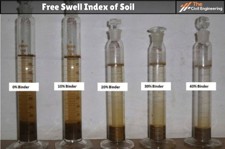
Free Swell Index (FSI)

A laboratory test performed to determine the swelling potential of expansive soils by measuring the increase in soil volume when immersed in water. The test helps assess the suitability of soil for foundations and earth structures.

California Bearing Ratio (CBR)

A laboratory or field test used to evaluate the load-bearing capacity and strength of subgrade soil. The test provides essential data for the design of flexible pavements, roads, and airfield pavements.

Proctor Test (Light & Heavy Compaction)

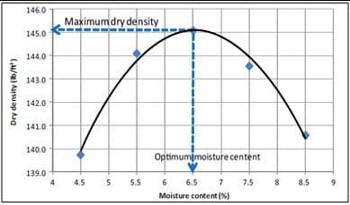
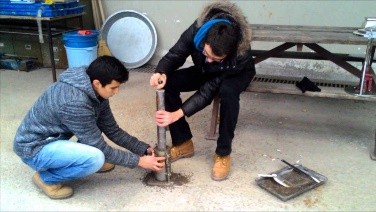
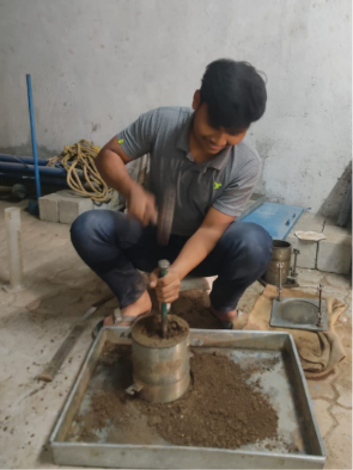
A laboratory test conducted to determine the optimum moisture content (OMC) and maximum dry density (MDD) of soil under specified compaction energy. The test helps establish compaction requirements for earthworks, embankments, and foundation construction.

Mr. Sameer Kaware

M.Tech. (Geotechnical Engineering) | Civil Engineering Professional

Designation: Geotechnical Engineering Expert & Laboratory Technical Head

Contact No.: 8208453304

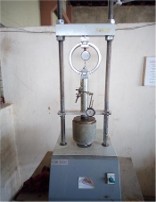
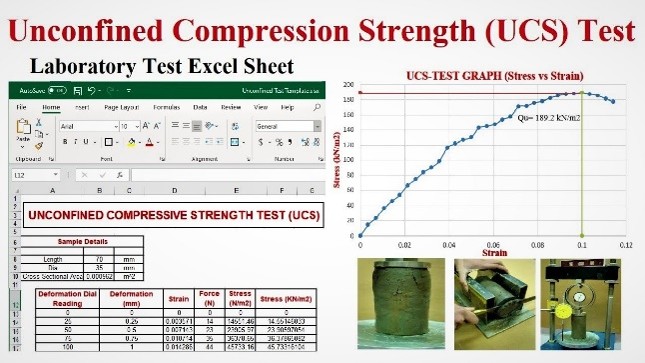
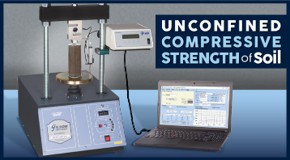
Unconfined Compressive Strength (UCS)

A laboratory test conducted to determine the compressive strength of cohesive soils without lateral confinement. The test is widely used to assess soil consistency, stability, and bearing characteristics.

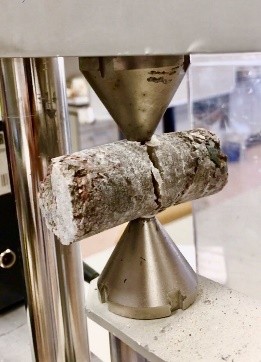
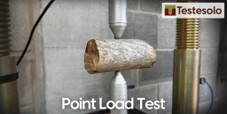
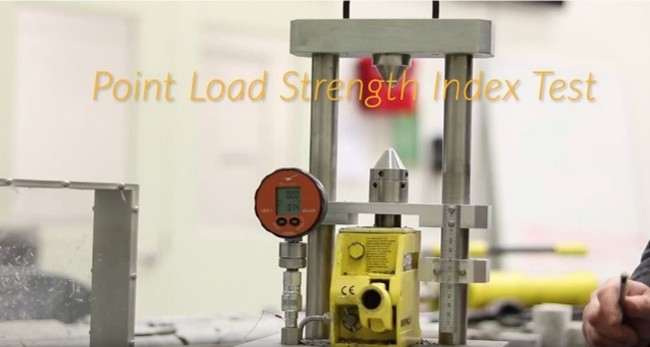
Point Load Test (Rock)

A laboratory or field test used to estimate the strength of rock by applying concentrated loads until failure occurs. The test provides a quick and reliable indication of rock strength for engineering applications.

Mr. Sameer Kaware

M.Tech. (Geotechnical Engineering) | Civil Engineering Professional

Designation: Geotechnical Engineering Expert & Laboratory Technical Head

Contact No.: 8208453304

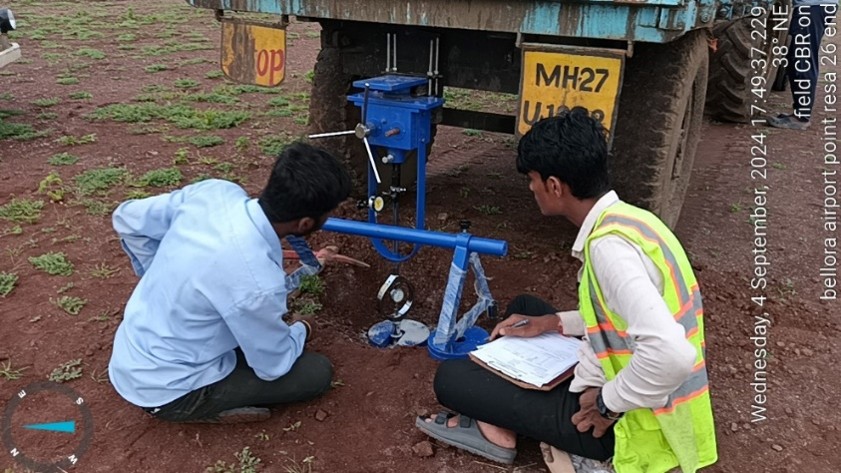
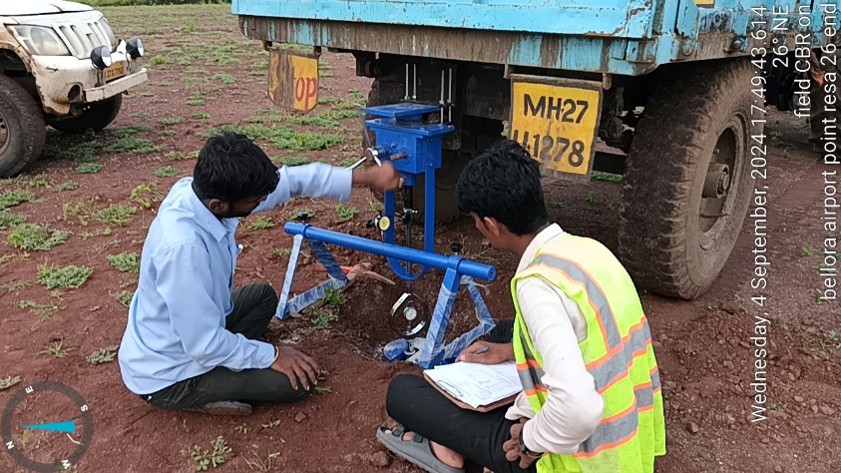
Field CBR Test (California Bearing Ratio)

Introduction: An in-situ test conducted to determine the bearing capacity and strength of subgrade soil under actual field conditions. The test provides valuable data for the design and evaluation of road and pavement structures.

Mr. Sameer Kaware

M.Tech. (Geotechnical Engineering) | Civil Engineering Professional

Designation: Geotechnical Engineering Expert & Laboratory Technical Head

Contact No.: 8208453304

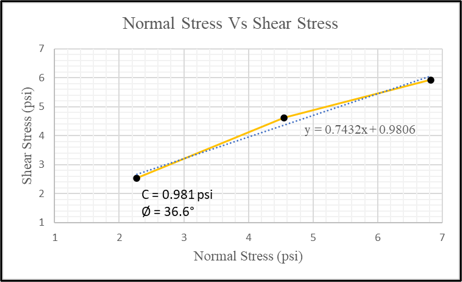
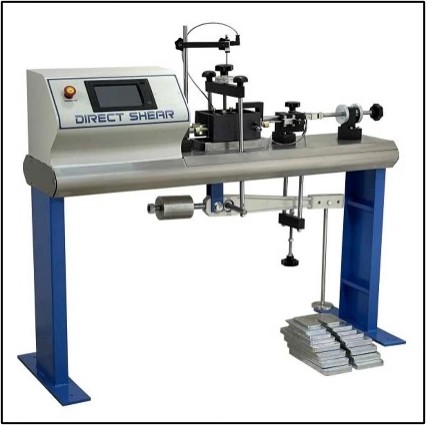
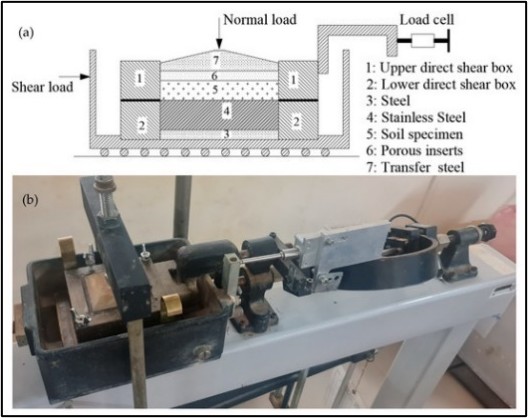
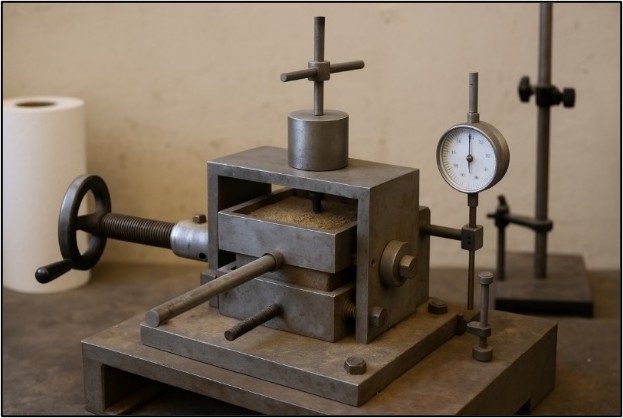
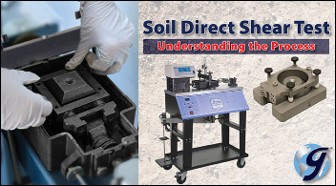
Direct Shear Test

Introduction: A laboratory test used in geotechnical engineering to determine the shear strength of soil by applying a normal load and then shearing the soil along a predefined plane until failure occurs. It is mainly used to find cohesion (c) and angle of internal friction (φ) of soil.

Mr. Sameer Kaware

M.Tech. (Geotechnical Engineering) | Civil Engineering Professional

Designation: Geotechnical Engineering Expert & Laboratory Technical Head

Contact No.: 8208453304

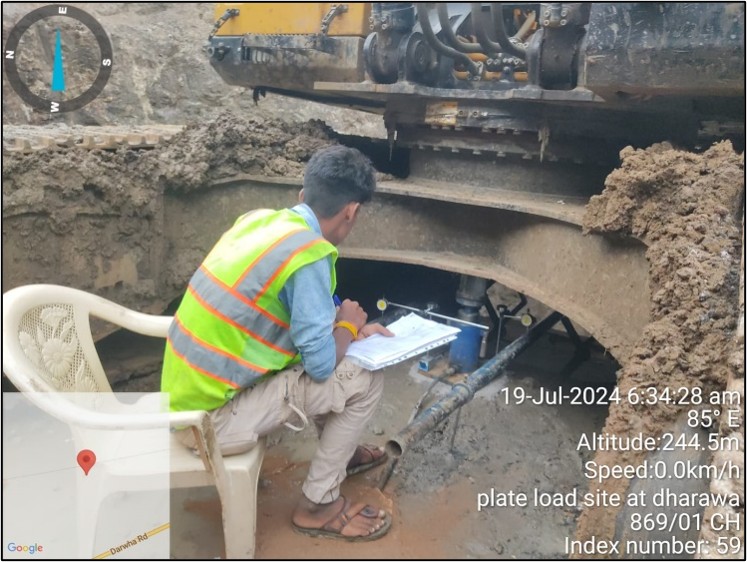
Plate Load Test

Introduction: A field test used in geotechnical engineering to determine the bearing capacity and settlement characteristics of soil by applying a load through a rigid plate placed at foundation level and gradually increasing it until failure or a specified settlement occurs. It is mainly used to estimate safe bearing capacity and settlement of shallow foundations.

Mr. Sameer Kaware

M.Tech. (Geotechnical Engineering) | Civil Engineering Professional

Designation: Geotechnical Engineering Expert & Laboratory Technical Head

Contact No.: 8208453304

Earth Resistivity Test

Introduction: A geophysical field test used in geotechnical and electrical engineering to determine the electrical resistivity of soil by passing current into the ground through electrodes and measuring the potential difference. It is mainly used to assess soil conductivity, design grounding (earthing) systems, and locate subsurface features like rock layers or groundwater.

Mr. Sameer Kaware

M.Tech. (Geotechnical Engineering) | Civil Engineering Professional

Designation: Geotechnical Engineering Expert & Laboratory Technical Head

Contact No.: 8208453304

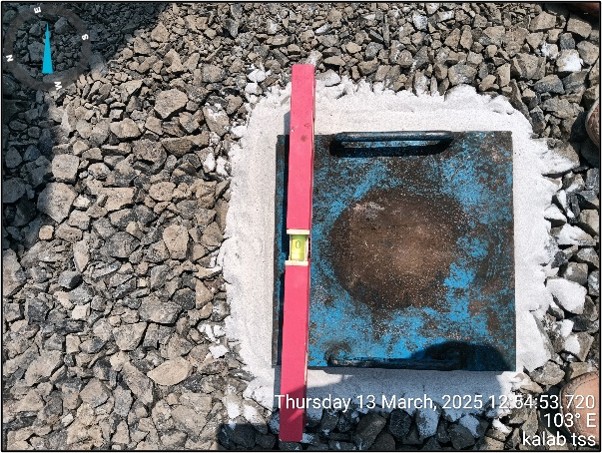
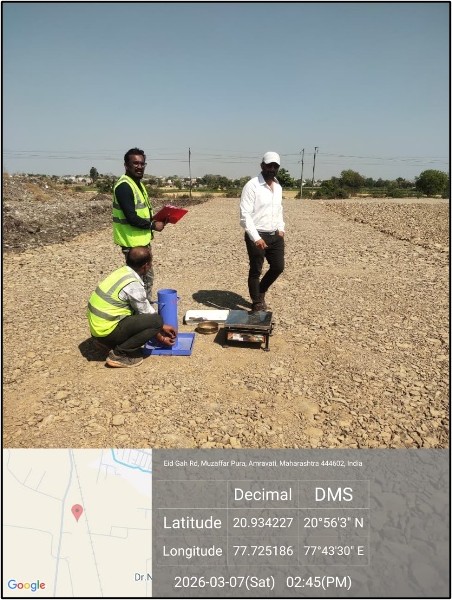
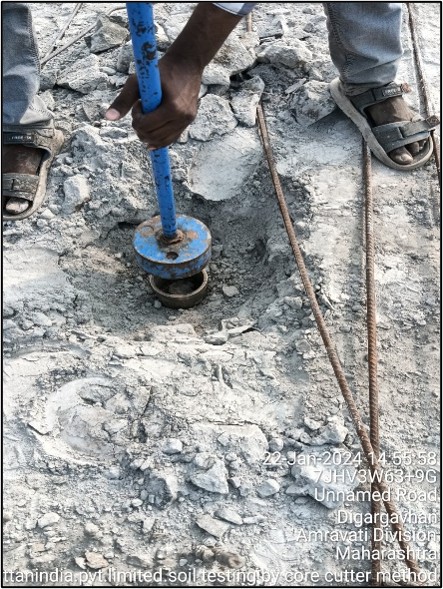
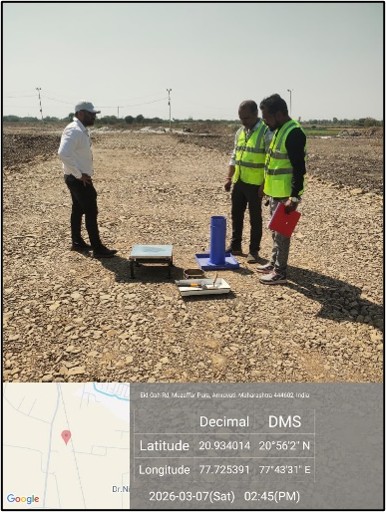
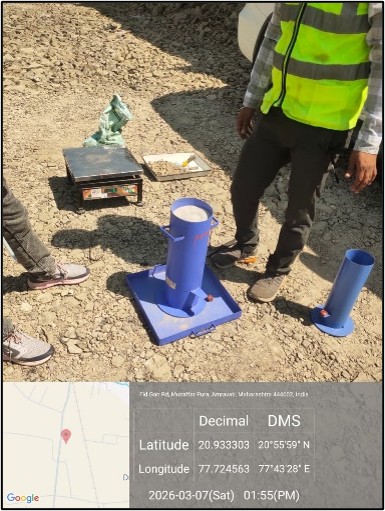
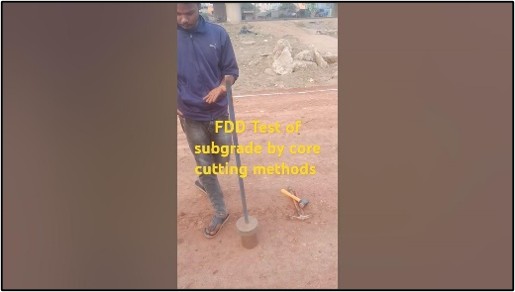
Field Dry Density (Core Cutter Method)

A field test used in geotechnical engineering to determine the in-situ dry density of cohesive soils by driving a standard cylindrical core cutter into the ground, extracting the soil sample, and calculating density from its mass and volume. It is mainly used for quality control of compaction in earthworks.

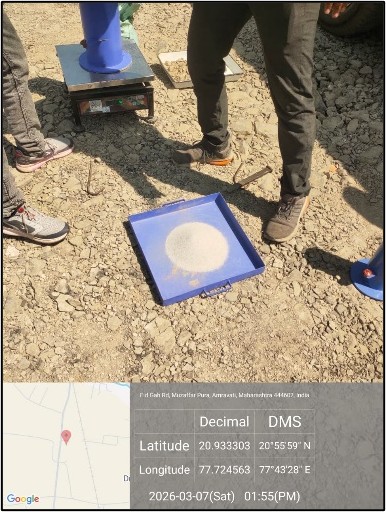
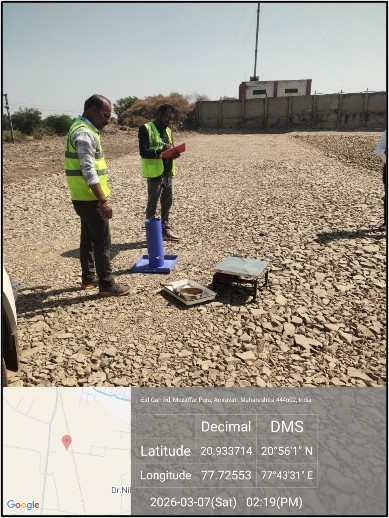
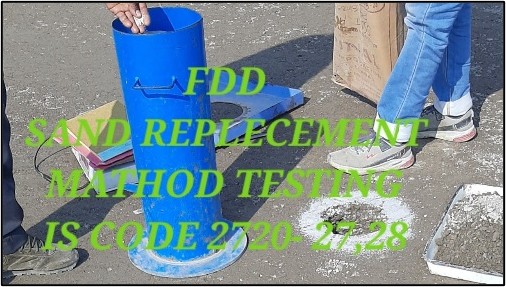
Field Dry Density (Sand Replacement Method)

A field test used in geotechnical engineering to determine the in-situ dry density of soils by excavating a small hole, filling it with standard sand of known density, and computing the volume of the hole from the sand required. It is mainly used for compaction control of both cohesive and granular soils in field construction.

Mr. Sameer Kaware

M.Tech. (Geotechnical Engineering) | Civil Engineering Professional

Designation: Geotechnical Engineering Expert & Laboratory Technical Head

Contact No.: 8208453304

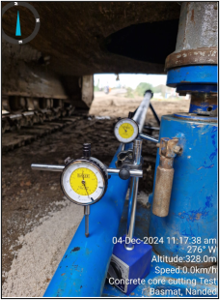
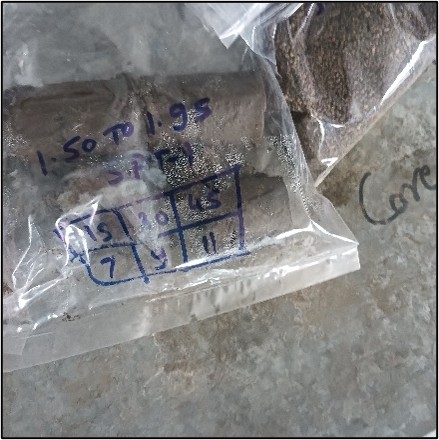
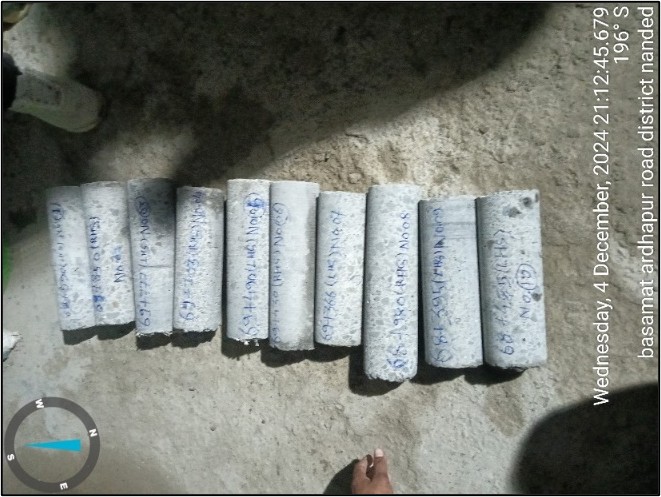
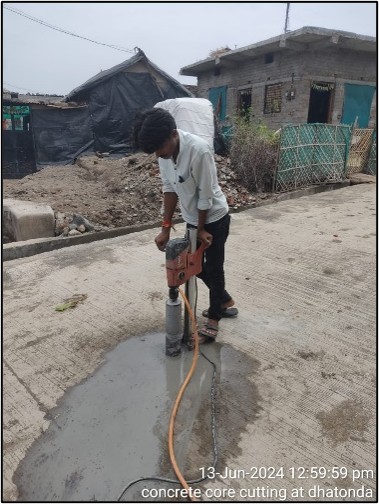
Concrete Core Extraction

A method used to obtain cylindrical samples from hardened concrete structures to assess in-situ quality and strength.

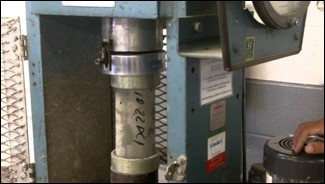
Core Compressive Strength Test

A test used to determine the compressive strength of concrete by crushing extracted core samples under axial load.

Concrete Cube Strength Test

A standard test used to determine compressive strength of concrete by crushing cured cube specimens under compression.

Bitumen Core Extraction Test

A test used to determine bitumen content in asphalt by extracting binder from pavement core samples using solvent or mechanical methods.

Mr. Sameer Kaware

M.Tech. (Geotechnical Engineering) | Civil Engineering Professional

Designation: Geotechnical Engineering Expert & Laboratory Technical Head

Contact No.: 8208453304

NDT (NON DESTRUCTIVE TESTING)

REBOUND HAMMER TEST

REBOUND HAMMER TEST

  • Concrete Strength Estimation
  • Quick & Reliable
  • IS 13311 (Part 2)
UPV TEST

ULTRASONIC PULSE VELOCITY (UPV) TEST

  • Concrete Quality Assessment
  • Homogeneity Check
  • Crack & Void Detection
HALF CELL POTENTIAL TEST

HALF CELL POTENTIAL TEST

  • Corrosion Detection
  • Reinforcement Condition Assessment
  • Durability Evaluation
CARBONATION DEPTH TEST

CARBONATION DEPTH TEST

  • Carbonation Depth Measurement
  • Corrosion Risk Evaluation
COVER METER TEST

COVER METER TEST

  • Rebar Locator
  • Cover Thickness Measurement
  • Non Destructive
INFRARED THERMOGRAPHY

INFRARED THERMOGRAPHY

  • Heat Loss Detection
  • Moisture Mapping
  • Defect identification
STRUCTURAL AUDIT

STRUCTURAL AUDIT

  • Structural Assessment
  • Safety Evaluation
  • Detailed Audit Report
  • Rehabilitation Advice